



































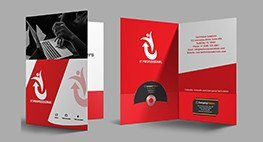





















Tri-Fold vs Bi-Fold vs Z-Fold vs Gate-Fold Brochures: Layout Guide
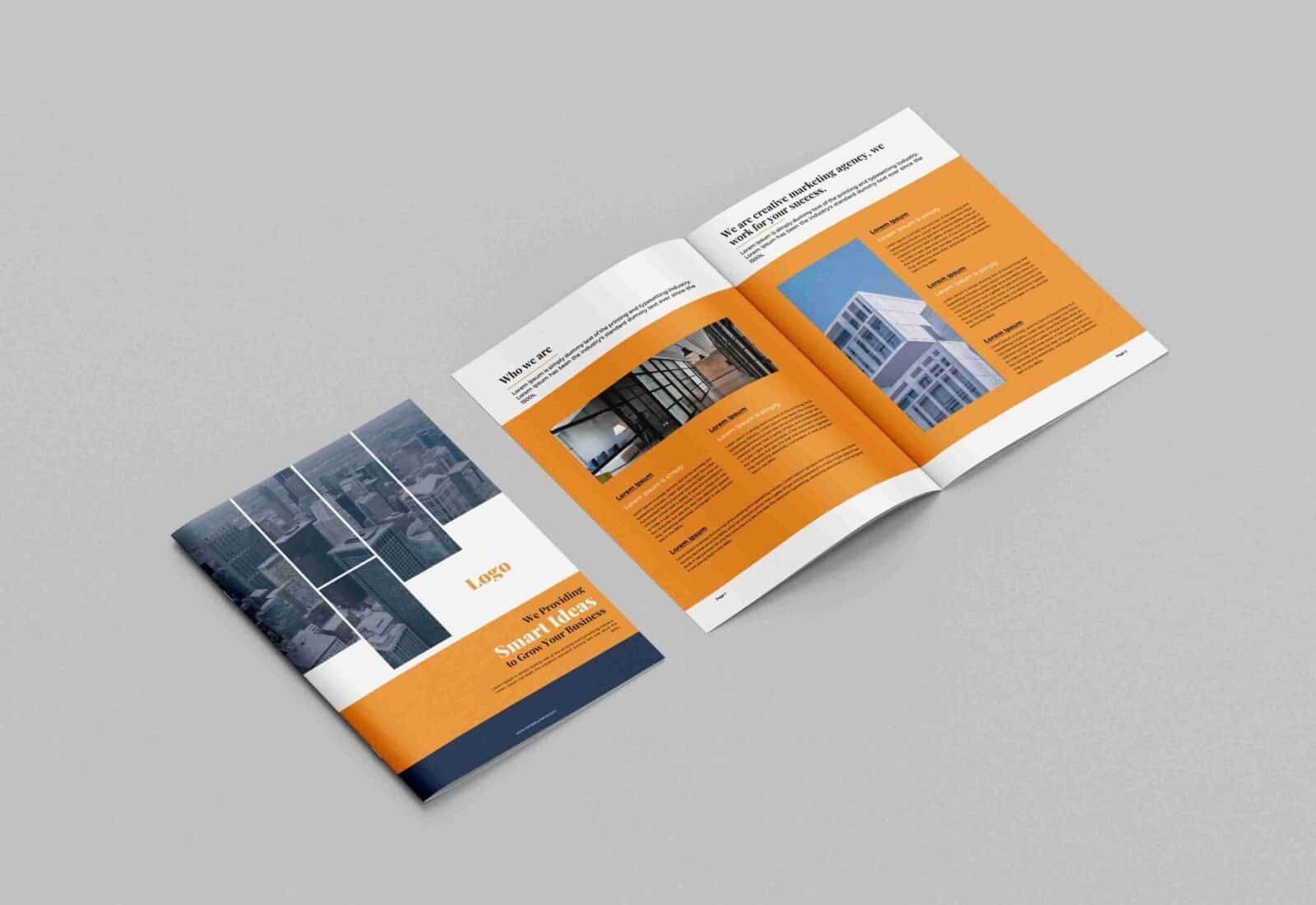
In commercial sales, trade show marketing, and corporate communications, brochures remain one of the most versatile physical collateral formats available.


Selecting the right physical print format is one of the most critical decisions when launching a direct-to-consumer marketing or local lead generation campaign. While digital ad costs continue to rise and inboxes become increasingly crowded, physical print collateral delivers tangible touchpoints that drive high customer recall. However, choosing the wrong format for your specific sales channel can lead to wasted budget, poor distribution efficiency, and low response rates.
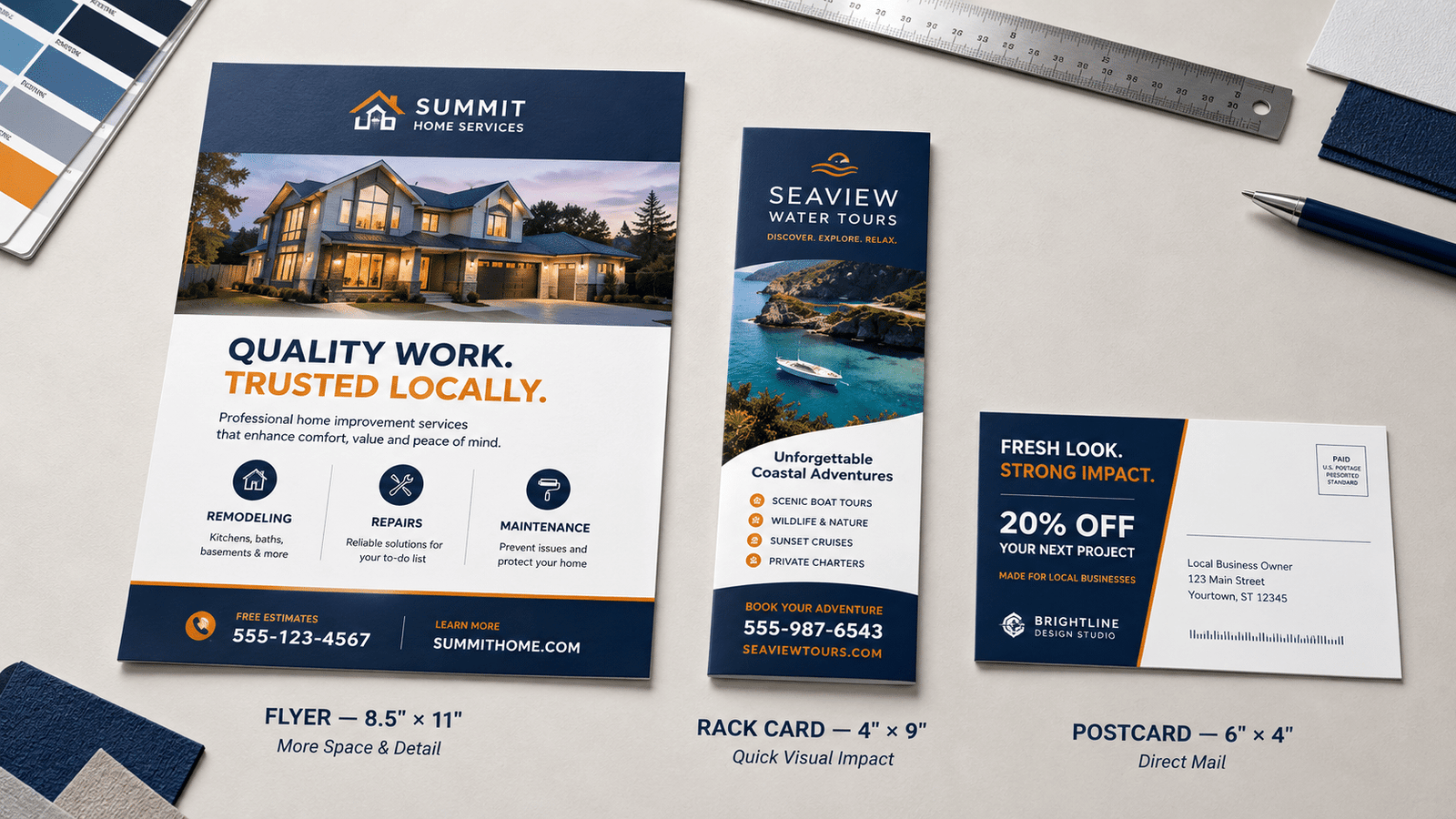
Businesses frequently weigh three primary marketing formats: custom flyers, rack card printing, and direct mail postcards. Each piece features distinct physical dimensions, paper weights, distribution mechanisms, and production cost structures.
Understanding how these three formats compare across key conversion metrics empowers marketing directors, agency leads, and small business owners to choose the best vehicle for their commercial campaigns across the United States.
Before comparing conversion performance across distribution channels, it is essential to understand the structural differences that define flyers, rack cards, and postcards.
To compare comprehensive promotional options and commercial volume rates, browse our complete selection of marketing print comparison products.
Flyers are unmatched when your marketing campaign requires extensive educational content, comprehensive event programming, or large product menus.
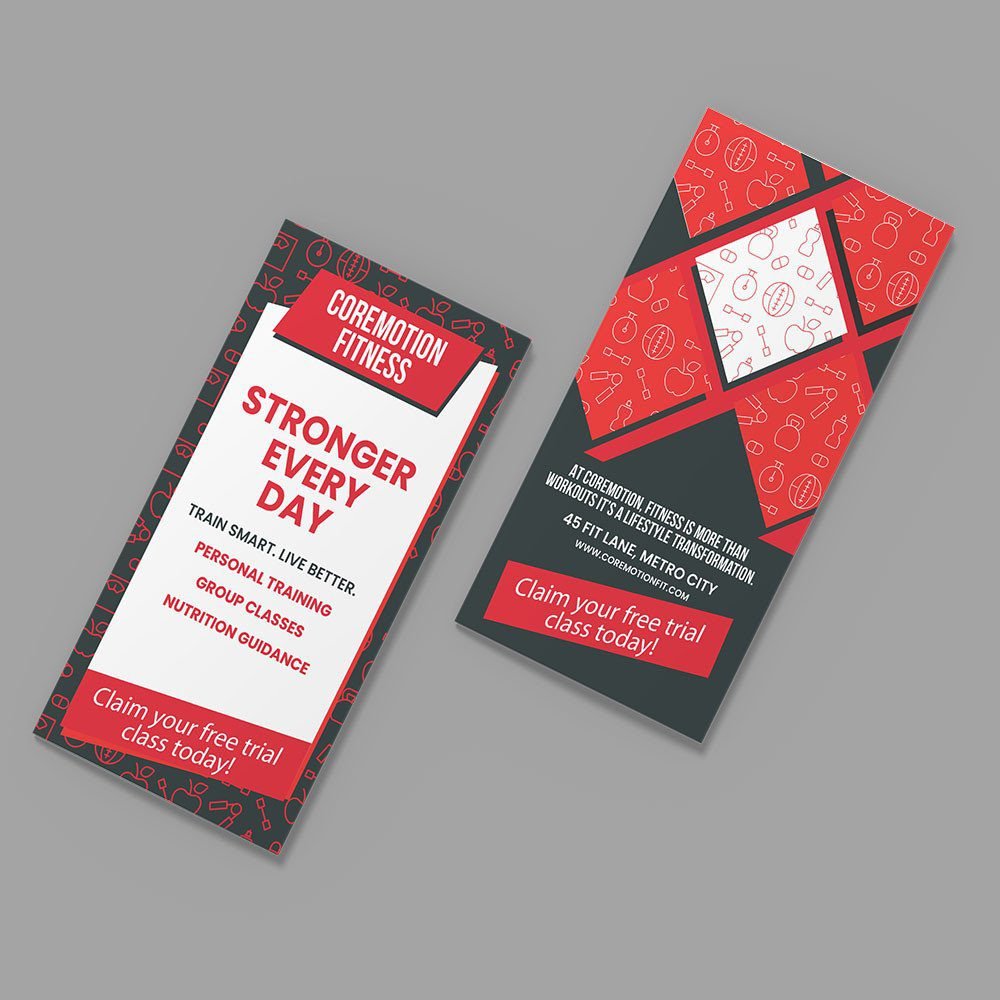
Rack cards excel in passive, high-traffic distribution environments where customers actively choose to pick up literature while waiting or browsing.
Postcards remain the dominant commercial vehicle for targeted geographic outreach and saturation campaigns across the United States.
Choosing the right format requires evaluating the physical characteristics alongside practical campaign constraints.
| Marketing Format | Standard Dimensions | Standard Paper Weight | Primary Distribution Channel | Best Conversion Scenario |
|---|---|---|---|---|
| Custom Flyers | 8.5″ × 11.0″ / 5.5″ × 8.5″ | 100lb Gloss/Matte Text | Direct hand-to-hand, bag inserts, bulletin boards | Detailed menus, event agendas, educational promos |
| Rack Cards | 4.0″ × 9.0″ / 3.5″ × 8.5″ | 16pt Heavy Cardstock | Tourism displays, lobby kiosks, service counters | Grab-and-go travel, hospitality, tear-off coupons |
| Direct Mail Postcards | 4.0″ × 6.0″ / 6.5″ × 9.0″ | 16pt Cover Stock | USPS First-Class, EDDM saturation routes | Targeted residential outreach, local retail offers |
The tactile feel of your marketing collateral influences how long a recipient keeps your message before taking action or discarding it.
Each print format requires a distinct design framework to guide the reader’s eye toward your primary call to action.
Regardless of the physical format you select, every marketing piece must incorporate measurable digital tracking mechanisms to calculate your return on investment.
Pairing single-sheet marketing pieces with supplementary corporate collateral creates an integrated physical brand presentation.
Executing high-performing marketing campaigns requires a commercial printing partner committed to precise cutting, vibrant color fidelity, and dependable turnarounds.
At Printin Budget, we manufacture professional promotional flyers, commercial rack cards, and direct mail postcards designed to help businesses acquire and retain customers. Our prepress specialists review your artwork files for proper resolution, bleed parameters, and layout clearances before production begins.
Whether you need a short run of rack cards for a local retail counter or high-volume postcard runs for regional distribution, we deliver durable paper stocks and attentive service to support your commercial goals.
Connect with Printin Budget to explore paper weights, review finishing choices, or request a custom printing quote for your project.
Q1: Which format converts best between flyers, rack cards, and postcards?
Conversion rates depend on your distribution channel. Postcards convert best for targeted geographic outreach and residential mail saturation (EDDM). Rack cards convert best in passive high-traffic environments like hotel lobbies and service counters. Flyers deliver the highest conversion when explaining complex multi-tiered services or handing materials directly to interested prospects at events.
Q2: What is the standard size difference between a rack card and a postcard?
A standard rack card measures 4.0″ × 9.0″ (or 3.5″ × 8.5″) to fit commercial literature racks. Direct mail postcards commonly measure 4.0″ × 6.0″, 5.0″ × 7.0″, or 6.5″ × 9.0″ (EDDM standard) to comply with automated postal sorting guidelines.
Q3: Can a rack card be mailed like a standard postcard?
Yes, a 4.0″ × 9.0″ rack card printed on heavy 14pt or 16pt cardstock can be mailed through the USPS. However, because its length exceeds standard postcard dimensions, it is classified and processed under letter-size commercial mail rates rather than standard First-Class postcard rates.
Q4: What paper stock should be used for promotional flyers vs. rack cards?
Promotional flyers are typically printed on 100lb gloss or matte text paper, which is flexible, lightweight, and cost-effective for large-volume handouts. Rack cards should always be printed on rigid 16pt cardstock to prevent them from curling, bending, or sagging inside display holders.
Q5: How should artwork be set up for commercial print formats?
All artwork files should be formatted at 300 DPI resolution in the CMYK color profile. Maintain a 0.125-inch (1/8″) bleed margin on all four outer edges, and keep all critical text and logos at least 0.125 inches inside the trim line within the safe zone.
In commercial sales, trade show marketing, and corporate communications, brochures remain one of the most versatile physical collateral formats available.

In service industries, field contracting, logistics, and wholesale commerce, generating instant physical documentation during client interactions remains critical for legal

In formal corporate communications, legal notifications, executive proposals, and official invoicing, physical correspondence carries legal and operational weight that digital