































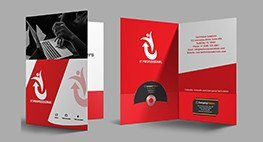
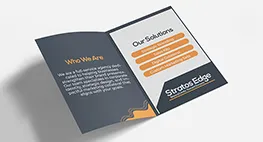

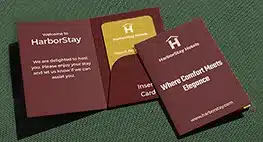


















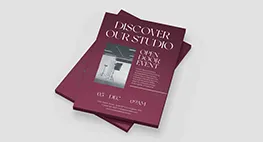

Tri-Fold vs Bi-Fold vs Z-Fold vs Gate-Fold Brochures: Layout Guide
In commercial sales, trade show marketing, and corporate communications, brochures remain one of the most versatile physical collateral formats available.

In service industries, field contracting, logistics, and wholesale commerce, generating instant physical documentation during client interactions remains critical for legal clarity and transparent billing. While digital tablets and mobile billing apps have expanded into field operations, battery failures, poor cellular reception, and software glitches can disrupt administrative workflows. Traditional carbon paper provided physical copies, but it was messy, prone to hand-smudging, and inconvenient to handle on active job sites.
Modern carbonless forms (No Carbon Required or NCR forms) solve these challenges by producing instant, smudge-free duplicate records using standard pen pressure. Selecting between multi-part configurations ensures your paperwork routes cleanly to customers, field technicians, and accounting departments.
Understanding how NCR forms work, the differences between 2-part and 3-part sheet sequences, and how to configure custom order forms helps trade contractors and service enterprises streamline daily operations across the United States.
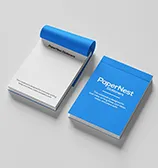
NCR forms rely on a multi-layer micro-encapsulation chemical coating system to transfer handwriting from the top sheet to the pages beneath without messy carbon sheets.
A standard multi-part set utilizes three specialized sheet coatings:
When a technician or sales rep writes on the top sheet with a ballpoint pen, the mechanical pressure breaks the micro-capsules, releasing dye that reacts with the receptor layer on the underlying sheets to create clean, permanent duplicate copies.
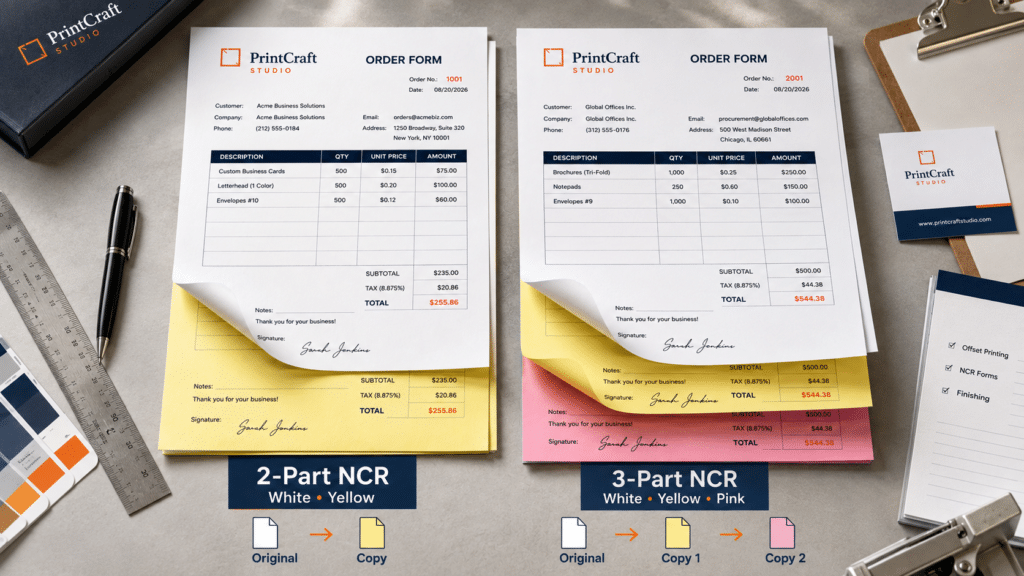
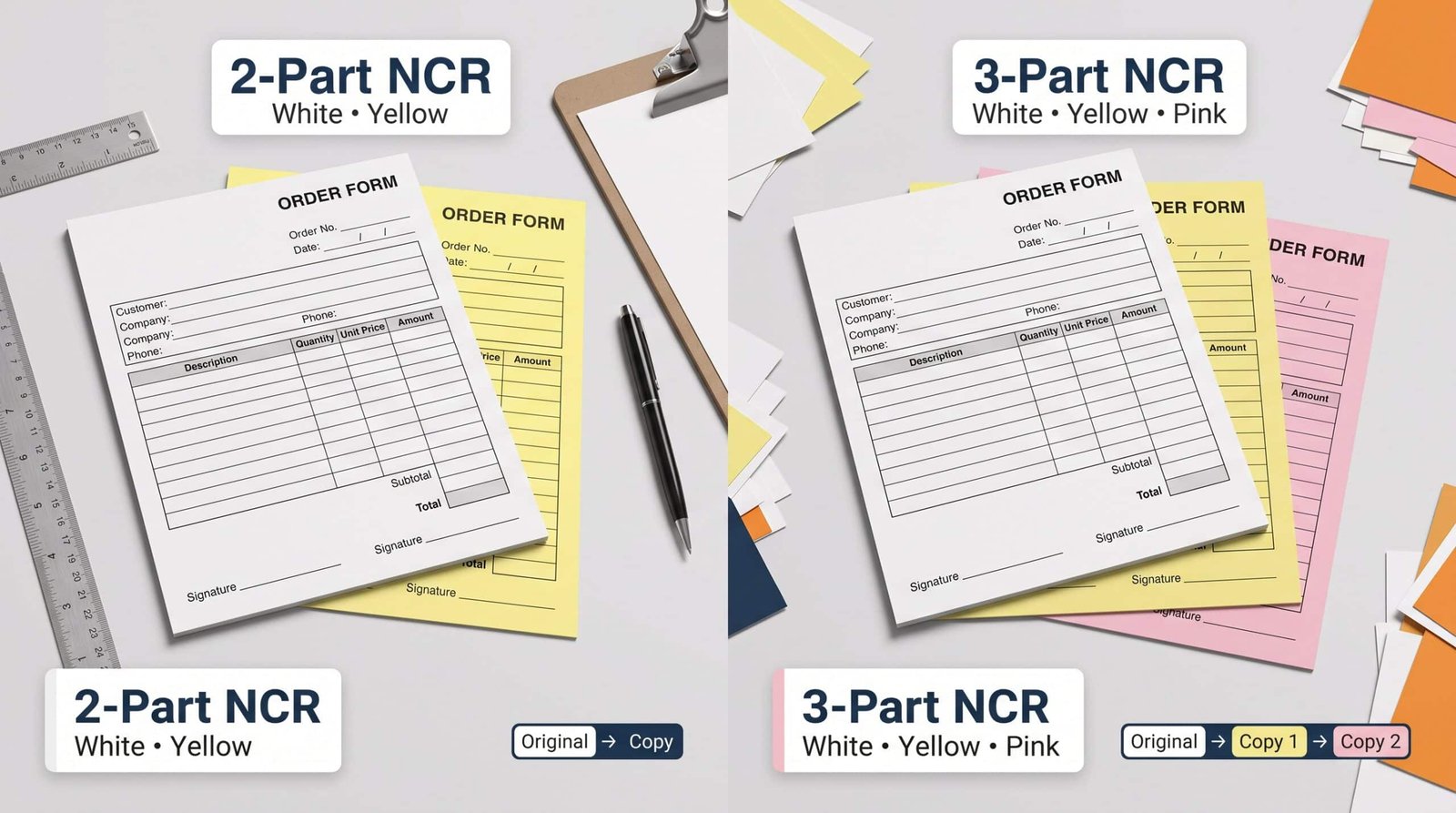
The 2 part invoice forms configuration (White / Canary Yellow) is the most widely used administrative layout for direct business-to-consumer services and straightforward retail transactions.
Standard distribution for a 2-part set follows an intuitive workflow:
This streamlined two-sheet structure minimizes paper waste and keeps printing costs economical for independent electricians, plumbers, auto mechanics, and boutique trade contractors.
When an enterprise involves separate operational teams—such as a front-line technician, an internal warehouse dispatcher, and an accounts receivable clerk—a two-sheet format creates record-keeping gaps.
A 3-part NCR form sequence (White / Canary / Pink) accommodates complex administrative workflows:
Utilizing 3-part sets prevents misplaced documentation, ensures billing accuracy, and protects field personnel with signed proof of completed work.
Selecting the optimal sheet count depends directly on the number of stakeholders who require immediate physical copies upon transaction completion.
| Feature | 2-Part NCR Sets | 3-Part NCR Sets | 4-Part NCR Sets |
|---|---|---|---|
| Color Sequence | White / Canary | White / Canary / Pink | White / Canary / Pink / Goldenrod |
| Primary Use Cases | Simple sales receipts, retail invoices, basic estimates | Delivery receipts, HVAC service orders, bill of lading slips | Equipment tracking, legal settlements, municipal work orders |
| Routing Workflow | Customer & Office | Customer, Office & Dispatch/Driver | Customer, Office, Dispatch & Archive |
| Writing Resistance | Requires light, standard pen pressure | Requires firm ballpoint pen pressure | Requires heavy, deliberate pen pressure |
Adding functional finishing features transforms basic loose multi-part forms into organized, auditable office systems that reduce administrative errors.
Matching form dimensions to the volume of information required ensures your line items, terms, and signature blocks fit comfortably without crowding.
Effective form design emphasizes clean structure, legible line spacing, and clear labeling to prevent misread handwriting and communication errors.
To equip your team with commercial-grade duplicate sets, explore our options for carbonless forms customized with your corporate logo and exact operational layout.
Proper prepress file preparation ensures that your table borders, text blocks, and signature boxes align precisely across every underlying sheet in the carbonless stack.
Creating an integrated administrative print suite ensures your business maintains a cohesive brand identity throughout the United States.
Equipping your field technicians and administrative staff with crisp, reliable multi-part forms requires a commercial printing partner dedicated to accurate collation, durable padding, and sharp ink reproduction.
At Printin Budget, we print professional duplicate and triplicate business forms designed to keep your field operations organized and legally sound. Our prepress specialists review your form layouts for proper resolution, margin clearances, and numbering placements before production begins.
Whether you need a low-minimum batch of 2-part invoice pads or wholesale quantities of 3-part sequentially numbered work order books for an expanding fleet, we provide high-grade NCR stocks and dependable service to support your commercial goals.
Connect with Printin Budget to explore form configurations, review numbering choices, or request a custom printing quote for your project.
Q1: How do carbonless NCR forms work without carbon paper?
NCR forms use micro-encapsulated dye coatings. The back of the top sheet is coated with microscopic dye capsules (Coated Back), while underlying sheets feature reactive clay receptor coatings (Coated Front). Writing pressure from a pen crushes the micro-capsules, releasing dye that reacts chemically with the receptor layer to reproduce the writing instantly.
Q2: What is the standard sheet color sequence for 2-part and 3-part NCR forms?
Q3: What is the purpose of sequential numbering on carbonless forms?
Sequential numbering prints consecutive tracking numbers (typically in bright red ink in the upper right quadrant) across all copies of a form set. This prevents lost receipts, simplifies invoice matching, and provides an auditable paper trail for accounting.
Q4: What is the difference between padded NCR forms and booked NCR forms?
Q5: What are the standard dimensions for commercial carbonless forms?
Common standard sizes include 5.5″ × 8.5″ (Half-Page) for delivery slips and compact receipts, 8.5″ × 11.0″ (Full Letter) for standard HVAC, plumbing, and contractor service invoices, and 8.5″ × 14.0″ (Legal) for detailed terms and multi-signature authorization agreements.
In commercial sales, trade show marketing, and corporate communications, brochures remain one of the most versatile physical collateral formats available.

Selecting the right physical print format is one of the most critical decisions when launching a direct-to-consumer marketing or local

In formal corporate communications, legal notifications, executive proposals, and official invoicing, physical correspondence carries legal and operational weight that digital