






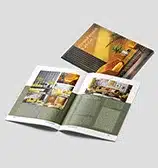

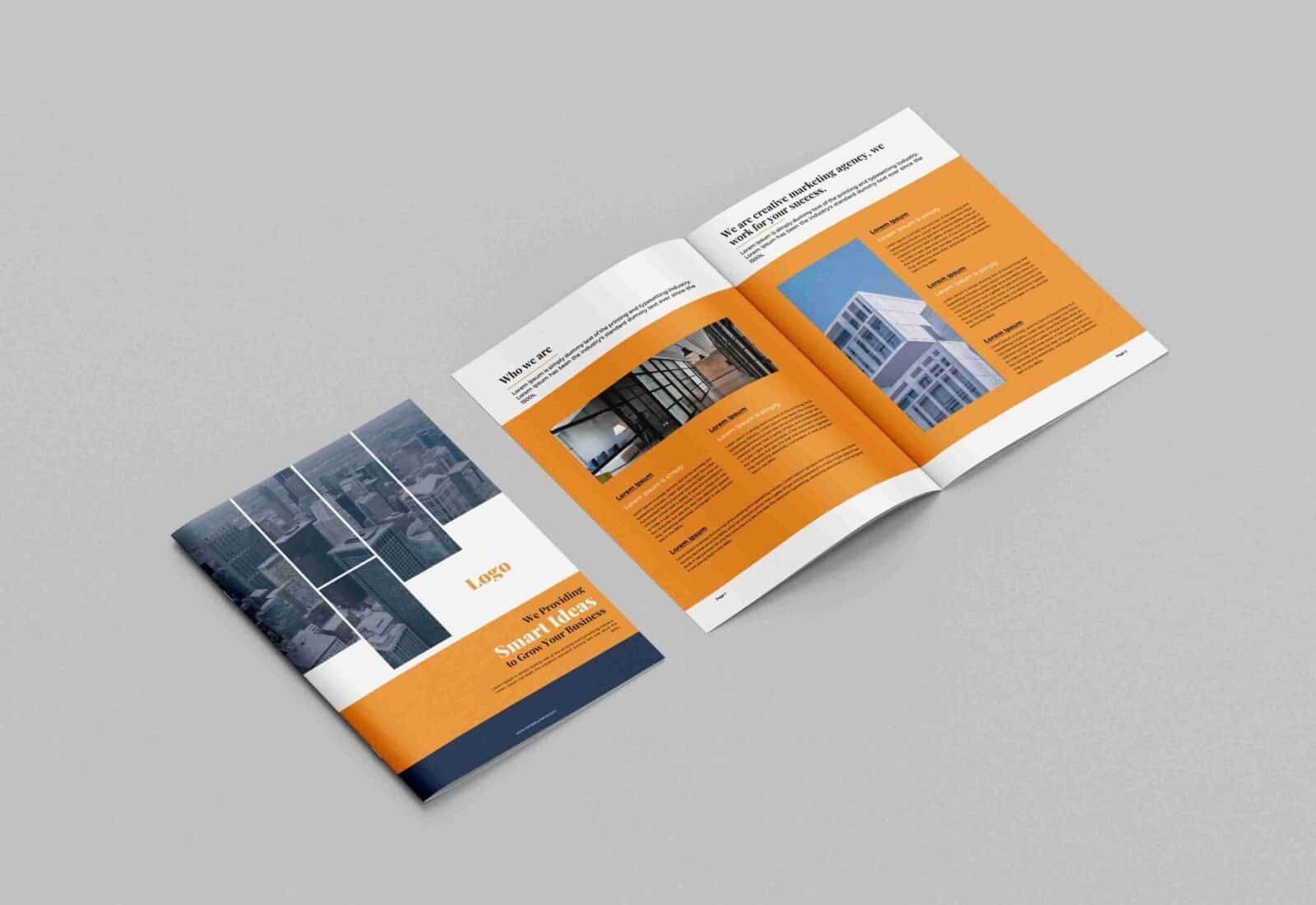


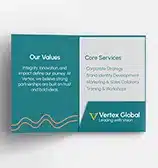
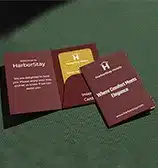










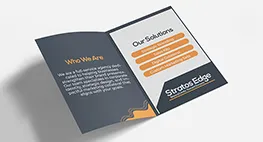

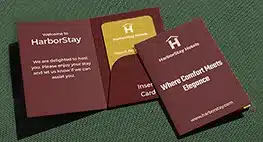













Tri-Fold vs Bi-Fold vs Z-Fold vs Gate-Fold Brochures: Layout Guide
In commercial sales, trade show marketing, and corporate communications, brochures remain one of the most versatile physical collateral formats available.

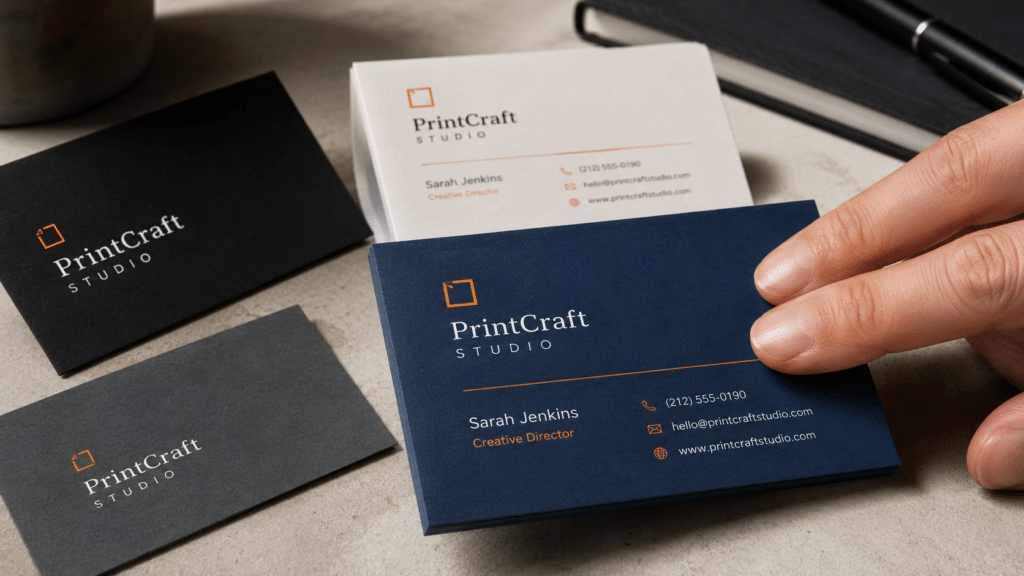
In modern corporate networking and high-ticket client consulting, visual presentation alone is no longer enough to distinguish your brand from the competition. While clean typography and sharp color palettes are essential, the physical feel of your card delivers an immediate sensory impression the moment it is handed over. Standard glossy cards can feel slippery or generic, whereas a tactile, velvety surface invites extended touch and commands attention.
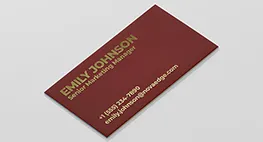
Investing in soft touch business cards transforms a brief networking exchange into a memorable sensory experience. The subtle, rose-petal texture creates an impression of refinement, substance, and high-end craftsmanship.
Understanding the marketing psychology behind tactile finishes helps entrepreneurs, creative directors, and corporate executives leverage velvet business cards to build trust, reinforce brand authority, and close more deals across the United States.
Human decision-making is heavily influenced by multi-sensory experiences. Known in consumer psychology as “haptic perception,” the physical weight, resistance, and surface texture of an object alter how a buyer evaluates the value and credibility of a service provider.
When a prospective partner touches matte soft touch cards, the tactile friction signals durability and attention to detail. This physical interaction triggers higher cognitive recall than flat, untreated cardstock. By adding a physical dimension to your visual identity, your card becomes a keepsake that clients hesitate to discard.
Soft touch finishing is achieved through a specialized post-press lamination process rather than standard liquid coatings. A microscopic, matte bi-axially oriented polypropylene film is thermally bonded to the printed paper sheet using heat and high-pressure rollers.
This bonded film creates an ultra-dull, non-reflective surface that feels like soft suede or a fresh rose petal. Unlike standard aqueous matte coatings that can feel chalky or dry, velvet lamination provides a dense, protective barrier that repels scuffs, resists edge chipping, and prevents natural finger oils from marking dark backgrounds.
To equip your team with this luxurious tactile experience, explore our dedicated options for velvet soft touch business cards built on premium heavyweight cardstocks.
While any enterprise can benefit from refined stationery, certain commercial sectors achieve exceptionally high conversion rates by utilizing a premium business card finish.
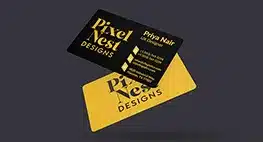
The ultra-matte surface of soft touch lamination serves as the perfect canvas for high-contrast specialty embellishments. Because the base film eliminates light glare, adding glossy or reflective elements creates a striking dual-texture effect.
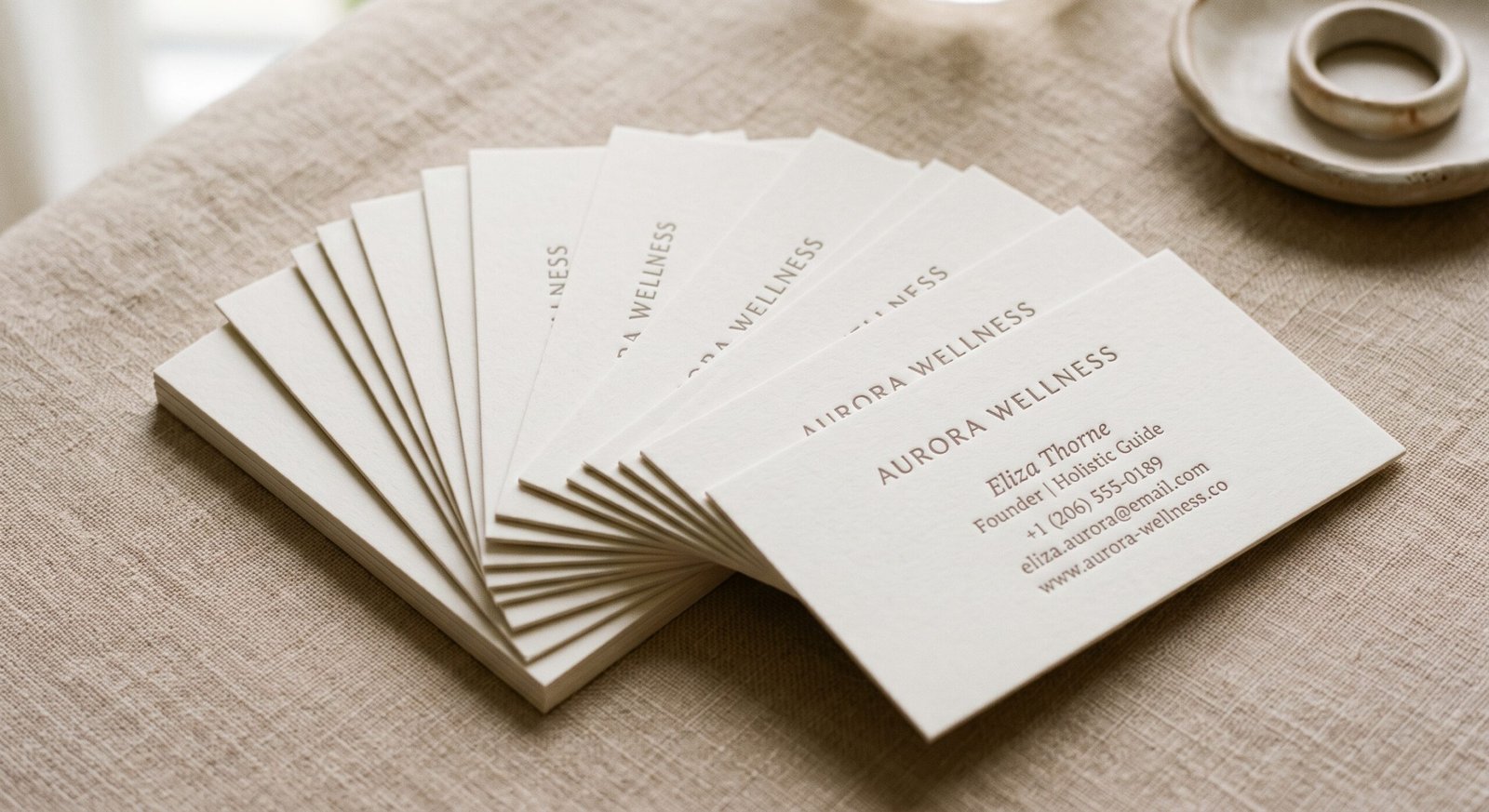
A premium surface finish requires a sturdy, rigid paper foundation. Flimsy paper compromises the velvety texture and makes the card feel delicate rather than durable.
Velvet lamination interacts with light differently than glossy paper coatings, subtly altering how printed colors appear to the human eye.
Because soft touch film is non-reflective, it absorbs ambient light, giving dark tones like deep navy, charcoal, forest green, and rich black an opulent, velvety depth. Bright tones maintain strong color saturation without the harsh reflections associated with high-gloss finishes. To ensure your text remains razor-sharp, maintain high contrast between your typography and background layers.
In addition to its aesthetic appeal, soft touch lamination acts as a durable protective shield for your printed stationery.
Proper file setup guarantees that your colors print true and any specialty embellishment masks align seamlessly with the base artwork.
Creating a cohesive, multi-sensory brand presentation across every customer touchpoint builds sustained authority from the initial meeting to final contract delivery.
Producing immaculate soft touch stationery requires state-of-the-art lamination equipment, precision temperature calibration, and attentive prepress oversight.
At Printin Budget, we manufacture premium business stationery designed to help professionals command attention in competitive markets. Our prepress specialists review your artwork files for resolution, bleed clearances, and mask alignment before your order goes to press.
Whether you need a specialized short run of executive cards or wholesale quantities for an entire corporate sales team, we combine heavy cardstocks, durable velvet laminations, and dependable service to support your commercial goals.
Connect with Printin Budget to explore paper weights, review finishing swatches, or request a custom printing quote for your project.
Q1: How is velvet soft-touch lamination applied to business cards?
Soft-touch lamination is achieved by thermally bonding an ultra-thin, matte bi-axially oriented polypropylene film onto heavy cardstock using high-temperature industrial rollers. This creates a dense, suede-like or rose-petal tactile finish that will not rub off over time.
Q2: How does soft-touch lamination differ from standard matte aqueous coating?
Standard matte aqueous coating is a liquid seal that removes gloss but can feel chalky or dry. Velvet soft-touch lamination is a physical bonded film that provides a rich, tactile texture, resists scuffs and scratches, and forms a moisture barrier that repels natural finger oils.
Q3: Does soft-touch lamination change how printed colors appear?
Yes. Because velvet lamination is completely non-reflective, it absorbs ambient light, giving dark background shades (such as rich black, navy, charcoal, and emerald) a deeper, softer appearance while eliminating glare under bright office lighting.
Q4: Can you add raised spot UV or foil to velvet business cards?
Yes. Velvet lamination provides the ideal substrate for raised spot UV and metallic foils. The contrast between the glare-free, velvety matte base and the glossy, raised embellishments creates an engaging dual-texture finish.
Q5: What cardstock weight is recommended for velvet business cards?
Soft-touch lamination should always be applied to rigid cardstocks of 16pt or thicker. Flimsy paper compromises the tactile resistance of the lamination, while 16pt, 18pt, or 32pt stocks deliver the necessary heft for an executive presentation.
In commercial sales, trade show marketing, and corporate communications, brochures remain one of the most versatile physical collateral formats available.

Selecting the right physical print format is one of the most critical decisions when launching a direct-to-consumer marketing or local

In service industries, field contracting, logistics, and wholesale commerce, generating instant physical documentation during client interactions remains critical for legal